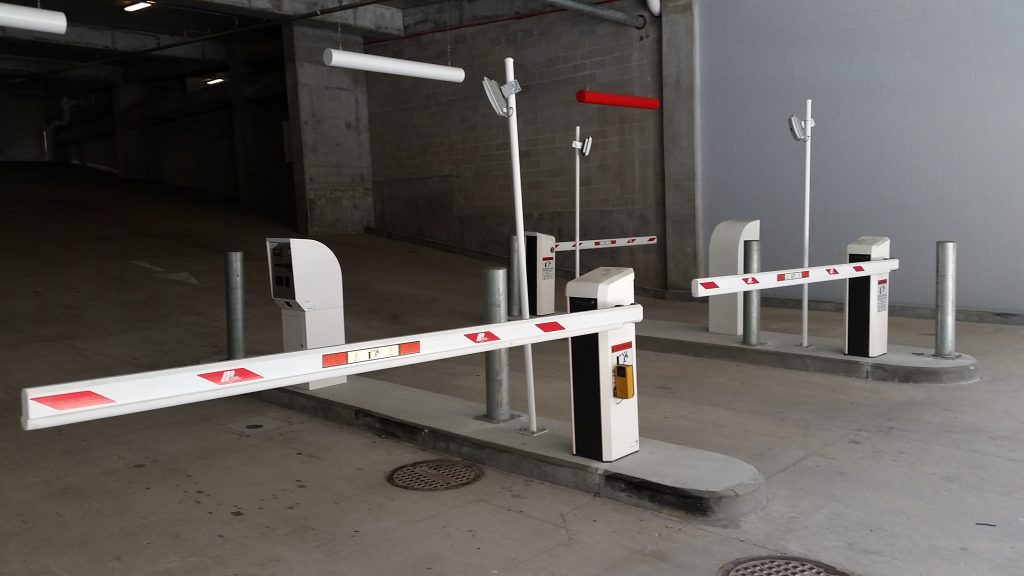
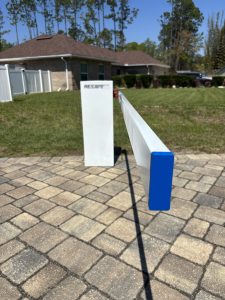
Across fast-growing cities and coastal corridors, parking has shifted from a simple convenience to a core part of urban mobility. Drivers expect frictionless entry, clear wayfinding, safe environments, and quick exits. Owners and operators expect verifiable revenue, predictable maintenance, and data they can use to plan staffing and future upgrades. In this landscape, parking facilities are no longer back-of-house assets; they are front-door experiences that shape customer sentiment before people even reach the lobby.
The most successful operations treat the curb, gate, and exit lane like mission-critical processes. They design the approach, choose the right equipment, and build playbooks that hold up during rushes, events, storms, and outages. That mindset turns parking facilities into dependable, high-margin infrastructure rather than a source of complaints, callbacks, and unexpected capital expenses.
The Evolving Role of Parking: Mobility Hub, Not Just Storage
In dense districts and resort metros alike, garages and lots now act as mobility hubs, stitching together retail, workplace, healthcare, entertainment, and transit. That means vehicle throughput must coexist with pedestrian safety, rideshare pick-ups, delivery staging, and micromobility docking. Done poorly, the curb devolves into conflict. Done well, parking facilities balance speed and control by engineering entries for peak flow while reserving space for special-purpose movements that keep the rest of the site orderly.
More communities are also using dynamic pricing and real-time availability feeds to reduce circulatory traffic and idling. Those tools only work if the physical systems underneath are trustworthy. When sensors drift, interlocks misfire, or gates fail, the entire promise of smarter mobility collapses. Upgrading the physical layer—barrier arms, sliding gates, controllers, cameras, and communications—becomes the quiet engine that lets parking facilities participate in a city’s larger transportation strategy.
Designing for Flow: Getting the Lane Math Right
Great parking begins with an honest look at arrival and departure patterns. The busiest fifteen minutes of the morning rush and event let-outs are more important than averages. If a gate can’t cycle fast enough at those moments, queues form, drivers improvise, and tempers rise. Right-sizing operators, modeling lane count and queue depth, and adding anti-tailgate logic are the foundations of well-run parking facilities. It’s not just hardware speed; it’s also choreography—readers placed where drivers naturally stop, sight lines that discourage risky merges, and clear markings that reduce hesitation.
Throughput engineering pays off most when layered with reliable intercoms, ALPR, and access control. When the system can confirm identity, enforce one-in/one-out logic where needed, and still keep lanes moving, the experience feels seamless. Those small time savings compound over thousands of cycles, which is why forward-looking parking facilities treat flow as the primary design constraint and let the rest of the stack support that goal.
Security and Access Control: Safety Without Friction
Security in parking is about more than cameras. It’s about preventing tailgating at exits, stopping misuse of credentials, preserving clean audit trails, and giving staff the tools to resolve problems quickly. Modern access control integrated with ALPR can validate that the car, the credential, and the account all match, which cuts fraud and protects revenue without slowing the line. When incidents do occur—a stuck ticket, a misread plate, a lost credential—operators need a simple way to open a lane while keeping the ledger accurate. Well-tuned parking facilities pair that authority with accountability by bookmarking events on video and logging overrides so exceptions don’t become habits.
Lighting, sight lines, and emergency communication points matter as much as any digital control. Drivers feel safer in bright, well-signed spaces, and clear views at corners reduce low-speed collisions. This is another place where small design decisions—paint reflectivity, luminaire placement, and camera fields of view—create outsized improvements. When parking facilities incorporate these basics and ensure that safety interlocks on automated gates comply with standards, the result is security that riders notice only because nothing goes wrong.
Revenue Integrity and the Modern Tech Stack
Revenue systems have matured from mag-stripe tickets to QR, mobile credentials, and account-based access tied to plates or devices. The goal is the same: keep good customers moving while preventing leakage. That requires reliable readers, clear business rules, and integration with enforcement, validation, and e-commerce systems. Clean data is the thread through all of it. When a driver enters, the system should record who, when, and how payment or authorization will occur; when they exit, it should reconcile without manual intervention. Operations that get this right transform parking facilities from cost centers into predictable, reportable businesses.
The tech stack must be matched to the environment. Coastal air, heat, and power anomalies demand sealed enclosures, marine-grade hardware, and power conditioning. Event districts need temporary rules for surge pricing and validation. Hospitals need escalation paths that let staff bypass queues during emergencies while still accounting for the transaction. In each case, parking facilities thrive when the technology respects the realities of the site rather than forcing drivers into brittle patterns.
Resilience, Maintenance, and Lifecycle Health
 Nothing erodes trust faster than a broken gate or dark entry during a storm. Resilience begins with power—surge suppression, clean grounding, and UPS runtimes that let equipment close or open safely when the grid blips. From there, preventive maintenance should be seasonal and evidence-based: read cycle counters, check motor temps, verify monitored safety devices, realign photo-eyes, clean tracks, and document firmware levels. Teams that treat maintenance as a recurring practice, not a fire drill, see far fewer emergency calls, which keeps parking facilities available when customers need them most.
Lifecycle decisions deserve clear math. Replacing a failing operator or controller can feel expensive, but repeating service calls and lost revenue add up faster than many owners expect. Transparency helps everyone make the right call. When technicians share obstruction counts, voltage logs, and thermal readings, stakeholders can decide whether to stabilize what’s there or schedule a refresh that resets reliability. Over a multi-year horizon, parking facilities that make timely replacements spend less and deliver more consistent experiences.
Data, ESG, and the Community Context
Parking touches a city’s environmental, social, and governance priorities in subtle ways. Good ventilation, LED lighting, and efficient circulation lower energy use. Wayfinding and smart payments reduce circling and idling. Accurate occupancy feeds help planners right-size supply and price curb space so congestion drops. With the right instrumentation, parking facilities can report on utilization, electrical consumption, incidents, and even EV charging performance, turning a once-opaque asset into a measurable contributor to ESG goals.
Community impact also extends to design choices that make spaces feel safer and more welcoming. Clear pedestrian routes, improved crosswalks at entries, and finishes that reflect local context all contribute to a better experience. When operators invest in training for attendants and provide quick-resolution tools for common issues, customer sentiment rises and returns increase. The lesson is simple: parking facilities that align operations with human expectations—clarity, speed, safety—win loyalty and repeat business.
A Practical Roadmap for the Next Twelve Months
Owners and operators don’t need to overhaul everything at once. Start with a field audit that documents equipment health, safety compliance, cycle times, and power quality. Prioritize chokepoints the way an airline prioritizes critical routes—fix what affects the most people first. Then move to integrations, ensuring ALPR, access control, and payment systems tell the same story. Once the core is stable, add refinements like dynamic signage, mobile credentials, or validation workflows that reduce friction for preferred customers. By sequencing upgrades from risk to experience to polish, parking facilities can improve quickly without losing operational traction.
The payoff for this approach is a quieter, more profitable operation. Drivers encounter fewer surprises. Staff spend less time firefighting and more time improving the system. Finance gets clean reports. Leadership gets fewer complaints. Most importantly, the garage or lot stops being a liability and becomes an advantage—an orderly first impression that sets the tone for everything that follows.
Stay connected with FDC, Florida’s gate company and access control leader, with offices in Tampa, Jacksonville, Orlando, Miami and Melbourne! Follow us on Facebook, LinkedIn, and Twitter to explore more about how our solutions can help secure and enhance your property. Don’t miss out on our updates—join in on the fun on our blog and stay ahead in protecting what matters most!